Google's AI Expansion in Finland Triggers Wolf Migration and Regulatory Standoff
Unauthorized clearing of 1,300 acres of forest for data centers has displaced wolf packs, forcing them into nearby villages while regulators halt construction.
By Ji-eun Choi ·
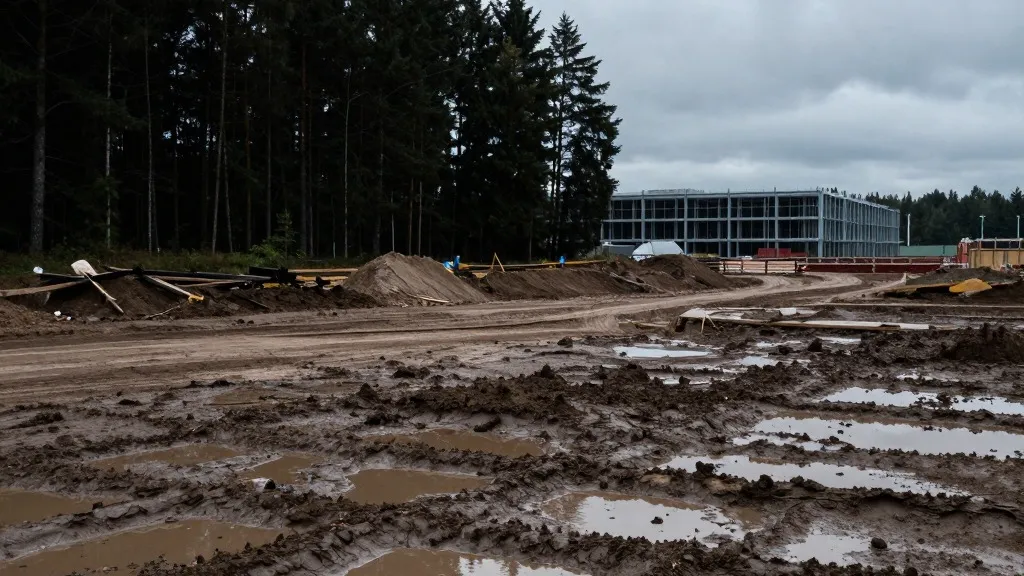
A significant operational disruption is unfolding in eastern Finland as a rush to build artificial intelligence infrastructure clashes with local environmental regulations and wildlife dynamics. The core tension lies in the transformation of dense forest into construction sites, a process that has not only halted development but also altered the habitat of local predators, creating new safety concerns for rural communities. This conflict highlights the growing friction between rapid technological expansion and established land-use protocols in the region.
The scale of the disturbance is substantial. Google has cleared approximately 1,300 acres of forest in the areas surrounding the villages of Muhos and Otanmäki, located 55 miles southeast of the latter. This land, previously characterized by dense woodland, has been converted into an expanse of mud due to the construction activities. The Finnish Licensing and Supervision Authority (LVV) has issued an order for the company to cease work in these specific zones, a directive that follows a broader notice to stop construction in Muhos and Kajaani earlier this month.
The human impact of this landscape change is now measurable in local behavior and sentiment. Anni Ranta, 53, a resident of Otanmäki whose family has lived there for generations, reports that wolf packs have begun roaming into the village. She attributes this shift to the displacement of wild animals from their former forest habitats. Ranta also voices strategic concerns, suggesting that the presence of U.S.-owned data centers may make Finland a more attractive target for Russian aggression, adding a geopolitical layer to the local dispute.
Regulatory scrutiny is intensifying as the Finnish Association for Nature Conservation describes the flouting of environmental policy as unprecedented. The LVV’s intervention underscores the severity of the unauthorized clearings. In response, a Google spokesperson stated that the company will fully comply with the authority’s requests. The company expressed its intention to maintain an active and open dialogue with all authorities, aiming to strengthen its partnership with Finland and local organizations while it navigates the regulatory hurdles.
This situation mirrors a broader pattern of community backlash against AI data center projects globally, where locals report issues such as construction noise, brown streams, and the displacement of rare birds. However, the specific incident in Finland is marked by the direct impact on predator migration. As the company seeks to balance its ambitious infrastructure goals with local compliance, the stakes are raised by the need to resolve both the regulatory freeze and the emerging safety concerns in neighboring villages.
The financial and operational implications of this pause are significant for a major tech player investing heavily in the region. The company’s strategy relies on the touted business benefits of the data centers to sway government and regulators. Yet, with work halted and local anger simmering, the path forward requires not just compliance but a clear resolution to the environmental and social impacts that have emerged from the initial land acquisition and clearing process.
Source: Tom's Hardware